

June 18–21, 2027 · Osaka, Japan
2027 AMA
Global Conference
The first AMA Global Conference held in Japan. Join international marketing scholars at Ritsumeikan University's Osaka Ibaraki Campus (OIC), for four days of competitive sessions, a doctoral consortium, and a Journal of International Marketing special issue.
Conference Overview
A Historic First in Japan
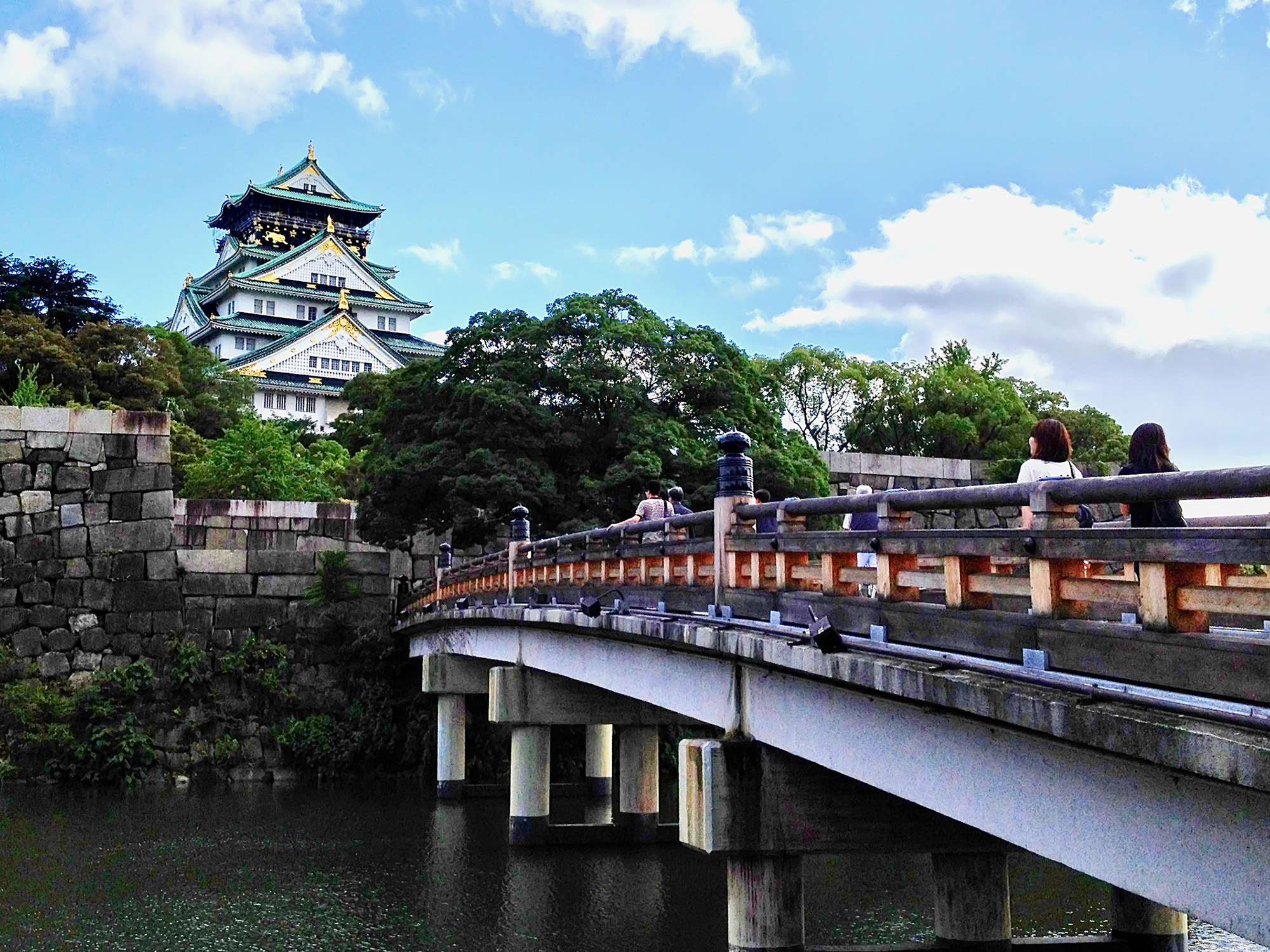
We are delighted to announce that Osaka, Japan will host the 2027 AMA Global Conference — the first time this conference will be held in Japan. The conference will take place at Ritsumeikan University's Osaka Ibaraki Campus (OIC) from June 18–21, 2027.
Join us for a rigorous academic program — competitive sessions, a doctoral consortium, and a Journal of International Marketing special issue session — paired with the rich culture and hospitality of the Kansai region.
Program
18 Thematic Tracks
The 2027 conference combines competitive paper sessions and interactive presentations across 18 thematic tracks. The track list below is tentative; the final tracks and track chairs will be announced in Fall 2026. Each submission must be submitted to only one track.
| # | Track |
|---|---|
| 1 | Cross-cultural Consumer Behavior |
| 2 | Export and Import Management |
| 3 | Firm Internationalization, Market Entry, and Market Exit |
| 4 | Global Brand Management |
| 5 | Global Consumer Research |
| 6 | Global Entrepreneurship |
| 7 | Global Ethics, Sustainability, and Corporate Social Responsibility |
| 8 | Global Innovation and New Product Development |
| 9 | Global Marketing Communications |
| 10 | Global Marketing Research, Big Data, and Analytics |
| 11 | Global Marketing Strategy |
| 12 | Global Relationship Marketing, Sales, and Channel Management |
| 13 | Global Retailing, Services, and E-Commerce |
| 14 | Global Supply Chain Research |
| 15 | Global Luxury Marketing |
| 16 | Global Marketing Education |
| 17 | Marketing in Emerging Markets |
| 18 | Special Session Proposals |
Doctoral Consortium
Held the Day Before the Main Conference
The Doctoral Consortium offers PhD students focusing on international and cross-cultural marketing the chance to present their work, learn from senior scholars, and build a professional network. Application requirements and deadlines will be announced when the call for papers opens.
Receive constructive feedback on your ongoing research projects from senior international marketing scholars.
Senior faculty share insights on research trends, publishing strategies, and career development.
Connect with fellow doctoral students as well as top scholars in the field from around the world.

Journal of International Marketing
JIM Special Issue Session
The conference will also feature a special session connected to the Journal of International Marketing special issue, “Artificial Intelligence and the Transformation of International Marketing Strategy.” Authors considering submission to the special issue are invited to submit an extended abstract through EasyChair for feedback from the guest editors.
Submission & Review
How to Submit
Papers and extended abstracts will be submitted electronically through the EasyChair conference system, opening on September 14, 2026. Each manuscript may be submitted to only one track and is reviewed through blind peer review by program committee members; acceptance decisions are communicated several months before the conference. Submissions may take the form of full papers (max. 40 double-spaced pages), extended abstracts for advanced work-in-progress (max. 10 pages), or special-session proposals.
Registration
Opens on January 31, 2027
Registration will open on January 31, 2027. Anticipated rate categories include Early Bird, Regular, Student, and Accompanying Person tiers, with discounted rates for students and PhD candidates. Final rates will be announced in late 2026.
The registration fee includes access to all conference sessions, conference materials, coffee breaks and lunches, the welcome reception, and the conference gala dinner. Accommodation is not included.
Key Dates
Timeline
Submission Open
September 14, 2026
Submission Deadline
December 1, 2026
Acceptance Notification
January 31, 2027
Registration Open
January 31, 2027
Early Bird Deadline
March 31, 2027
Conference Dates
June 18–21, 2027
Conference Organizers
Meet the Team
Conference Chairs

Brock University
mhultman@brocku.ca

University of Texas at Rio Grande Valley
peter.magnusson@utrgv.edu

NEOMA Business School
timo.mandler@neoma-bs.fr

University of New Hampshire
goksel.yalcinkaya@unh.edu
Conference Local Chairs

Ritsumeikan University
r-ishii@fc.ritsumei.ac.jp

Ritsumeikan University
kikumori@fc.ritsumei.ac.jp
Doctoral Consortium Organizers

MBS School of Business
f.bartsch@mbs-education.com

West Virginia University
annie.cui@mail.wvu.edu

SKEMA Business School
katharina.zeugner@skema.edu
Welcome
From the Host Organizers
" We are honored to host the first AMA Global Conference in Japan. Osaka and Ritsumeikan University provide an exceptional setting for scholarly exchange and the generation of new ideas. In addition to a stimulating academic program, we are preparing a variety of opportunities for attendees to experience Japan's unique culture and hospitality. Participants will be able to enjoy Japanese cuisine and sweets, cultural activities, pop culture (anime and manga), and omotenashi, the Japanese spirit of wholehearted hospitality. We look forward to welcoming participants from around the world to Ritsumeikan University in June 2027. "
Ryuta Ishii & Mai Kikumori
Local Host Organizers, Ritsumeikan University
Host Institution
Ritsumeikan University
Freedom and innovation, the spirit of Ritsumeikan.
Ritsumeikan University traces its roots to a private academy — "Ritsumeikan" (立命館) — established by Prince Saionji Kinmochi in 1869 within his residence in the Kyoto Imperial Garden, and formally founded as a higher education institution by Kojuro Nakagawa in 1900.
Today Ritsumeikan is the largest university in western Japan, with main campuses in Kyoto, Osaka, and Shiga. It serves more than 36,000 students and 3,500 faculty members, and was ranked 3rd among private universities in Japan in the 2023 QS World University Rankings.
Conference Venue
Osaka Ibaraki Campus (OIC)
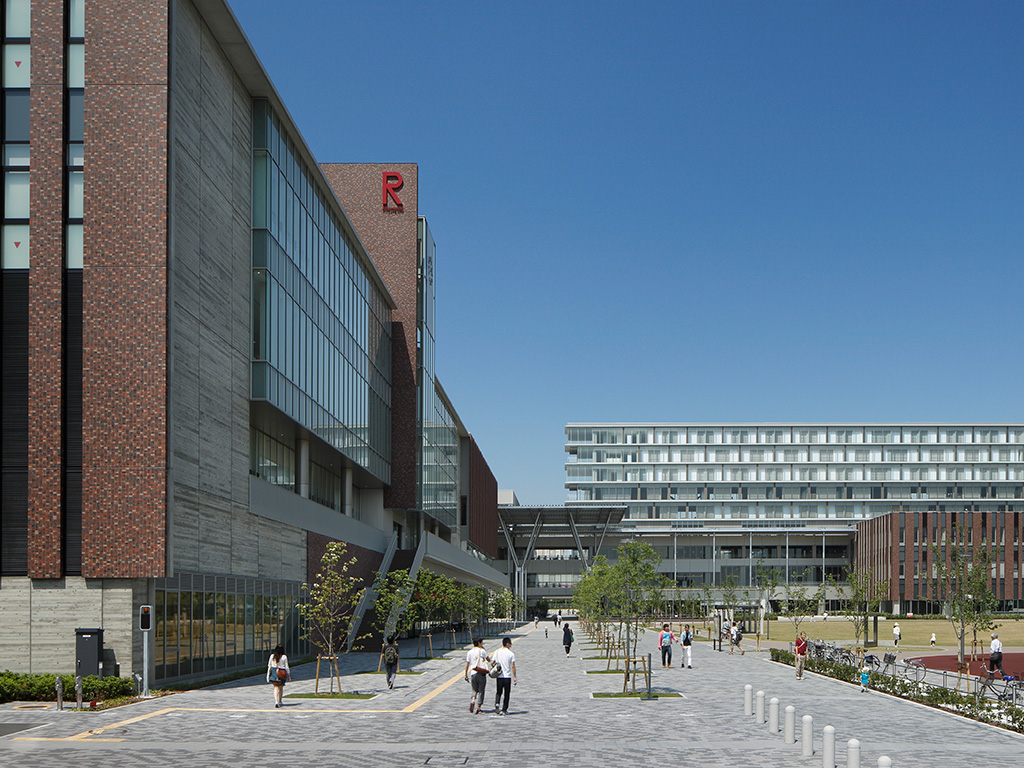
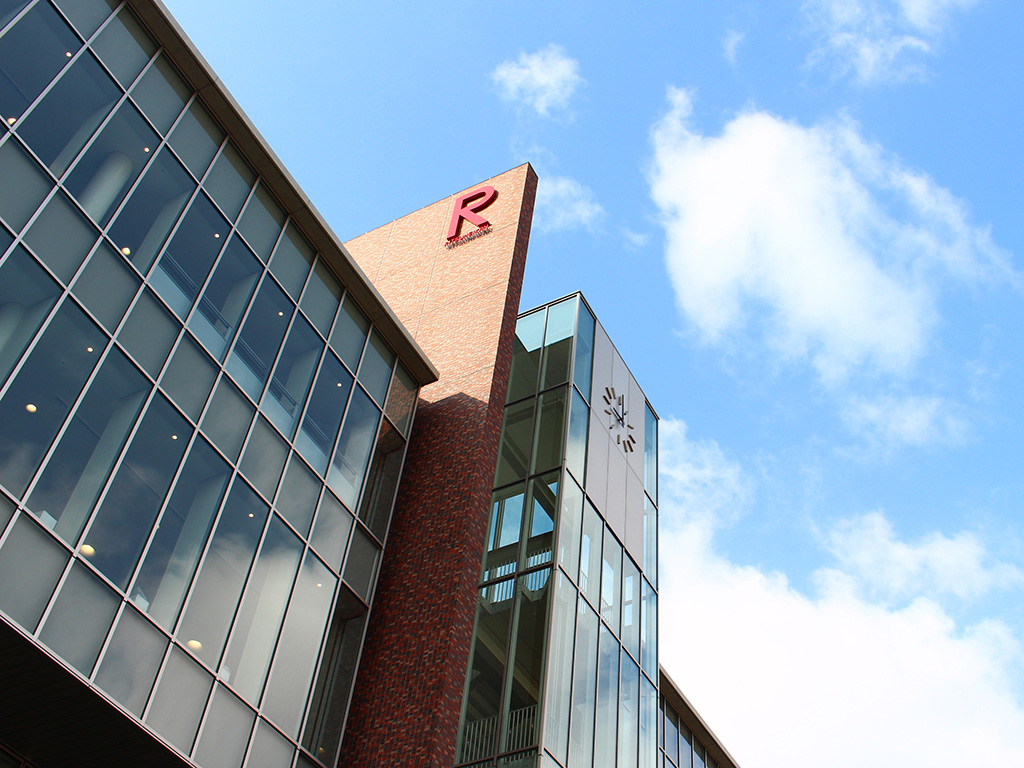
The conference will be held on the Osaka Ibaraki Campus (OIC) of Ritsumeikan University — a symbol of the university's commitment to regional and social collaboration, established through public-private cooperation with Ibaraki City. The OIC Campus is developed as a "campus open to the community": the former beer factory site was integrated into a disaster-prevention park surrounded by university facilities in an L-shaped layout, bringing higher education and civic life together on the same site.
About Osaka
The Nation's Kitchen
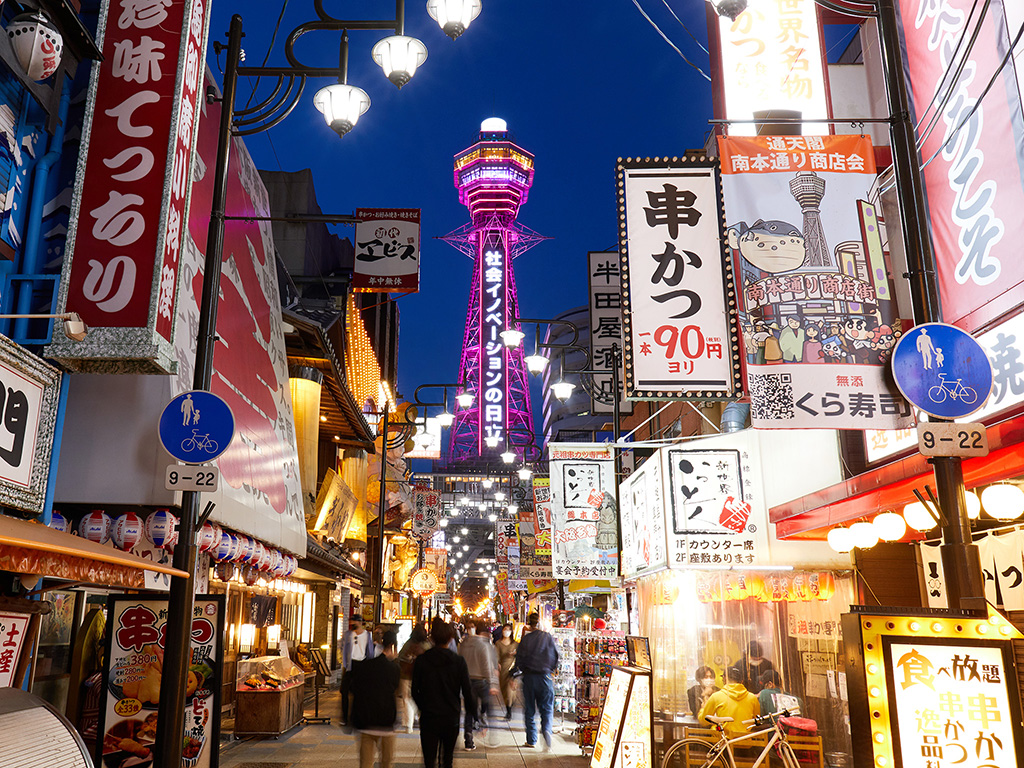
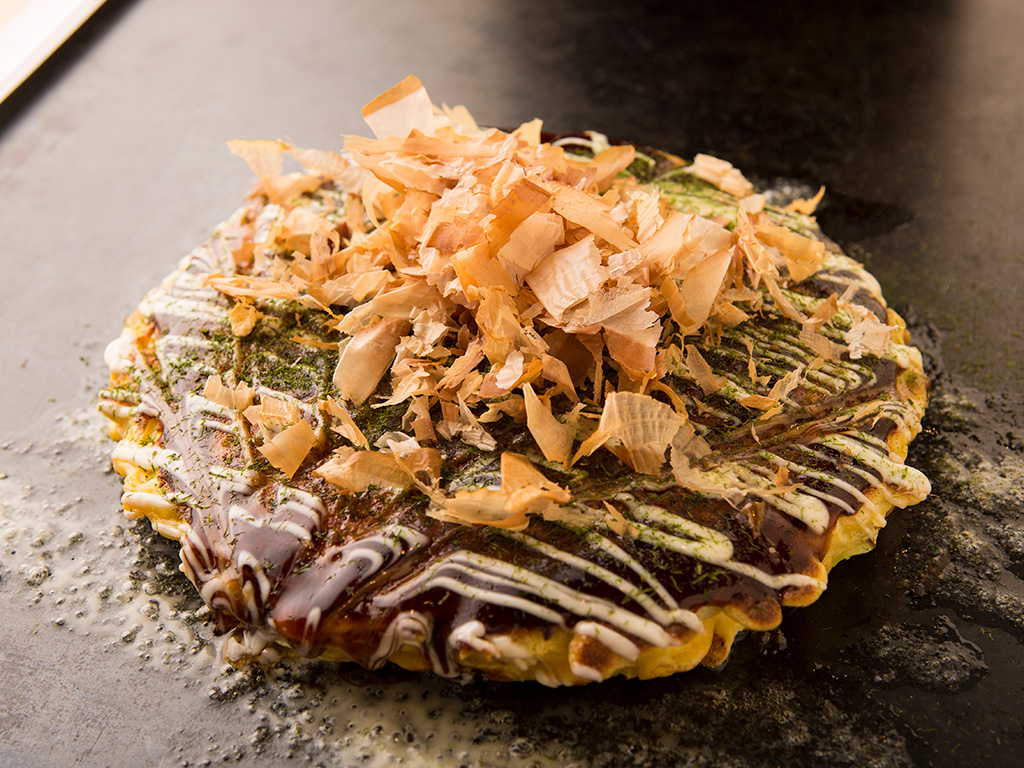
Osaka is Japan's second-largest metropolitan area (after Tokyo), home to approximately 9 million residents (Japan National Census, 2025), and the economic hub of western Japan. Known affectionately as "the nation's kitchen" (tenka no daidokoro) for its exceptional culinary scene, Osaka is a dynamic blend of modern innovation and traditional culture, with world-class dining, historic temples and castles, and a welcoming, entrepreneurial spirit. As a major commercial center serving as headquarters for leading multinationals (e.g., Panasonic, Nisshin, Daikin) and innovative startups, the city provides an ideal backdrop for exploring contemporary issues in international marketing — particularly in the Asia-Pacific context.
In The Economist Intelligence Unit's Safe Cities Index 2021, Osaka ranked as the 17th safest city in the world, with a top-five score in health security. The city has also placed in the top ten of the EIU's Global Liveability Index every year since 2018.

Travel & Stay
Getting There
Osaka is exceptionally well-connected. Kansai International Airport (KIX) handles more than 1,200 international flights weekly from over 60 cities in around 20 countries on 80+ airlines, reaching central Osaka in roughly 50–60 minutes. From Tokyo, the Shinkansen reaches Osaka in 2.5 hours; from Kyoto, just 15 minutes. The OIC Campus sits within walking distance of multiple stations served by JR, Hankyu Railway, and the Osaka Monorail.
Visa requirements vary by nationality. Allow 6–8 weeks for processing if needed; the conference can provide visa support letters on request.
Recommended Areas to Stay
Osaka offers a wide range of accommodation options, from luxury hotels to budget-friendly stays. While several hotels are located near the Ritsumeikan Osaka Ibaraki Campus (OIC), we recommend the following five areas based on their convenience for accessing OIC, sightseeing opportunities, neighborhood atmosphere, and connectivity to other destinations in the Kansai region.
Shin-Osaka
- Access to OIC
- ★★★★★
- Things to Do
- ★☆☆☆☆
- Access to Other Destinations
- ★★★★★
If your priority is convenience, Shin-Osaka is the best choice. It is only about 10–15 minutes from JR Ibaraki Station via the JR Kyoto Line, making the commute to OIC simple and straightforward. Shin-Osaka is also the only Shinkansen (bullet train) station in Osaka, providing excellent access to destinations throughout Japan, including Kyoto, Kobe, Tokyo, and Hiroshima — also Kansai International Airport. On the other hand, Shin-Osaka itself is primarily a transportation hub with relatively few tourist attractions. (The word "Shin" means "new" in Japanese.)
Umeda (JR Osaka)
- Access to OIC
- ★★★★☆
- Things to Do
- ★★★☆☆
- Access to Other Destinations
- ★★★★★
Umeda (JR Osaka Station) offers the best overall balance between convenience and enjoyment, making it our top recommendation for most conference participants. It takes only about 15–20 minutes to reach JR Ibaraki Station via the JR Kyoto Line. Umeda is Osaka's largest transportation hub and one of Japan's premier shopping and entertainment districts, with countless restaurants, department stores, and hotels. It is also an excellent base for exploring the Kansai region, with convenient rail connections to Kyoto, Kobe, Nara, Kansai International Airport, and many other destinations.
Honmachi
- Access to OIC
- ★★☆☆☆
- Things to Do
- ★★★★★
- Access to Other Destinations
- ★★★☆☆
Located in the heart of Osaka, Honmachi is an excellent choice if you want to experience the city's vibrant urban atmosphere. It is within walking distance of Shinsaibashi and close to Dotonbori, where you will find countless restaurants, cafés, bars, and shopping streets. Honmachi also offers convenient access to Umeda and other parts of Osaka, making it easy to explore the city. However, reaching OIC requires taking both the Osaka Metro Midosuji Line and the JR Kyoto Line, making the commute less convenient than staying in Umeda or Shin-Osaka.
Namba
- Access to OIC
- ★☆☆☆☆
- Things to Do
- ★★★★★
- Access to Other Destinations
- ★★★★☆
Namba is Osaka's most famous entertainment district and offers one of the city's liveliest atmospheres. It is home to iconic attractions such as Dotonbori, Kuromon Market, and numerous shopping arcades, making it an ideal base for visitors who want to experience Osaka's nightlife, food culture, and entertainment. Compared with Honmachi, Namba is farther from OIC, resulting in a longer commute. On the other hand, Namba provides excellent access to Kansai International Airport, with direct services on the Nankai Railway, making it especially convenient for international travelers.
Kyoto
- Access to OIC
- ★★★☆☆
- Things to Do
- ★★★★★
- Access to Other Destinations
- ★★★★☆
Although OIC is located in Osaka Prefecture, it sits roughly midway between Osaka and Kyoto, making Kyoto a practical accommodation option as well. From JR Kyoto Station, JR Ibaraki Station can be reached in approximately 30 minutes via the JR Kyoto Line, with no transfers required. If you choose to stay in Kyoto, we recommend selecting a hotel near JR Kyoto Station for the most convenient access to OIC. Kyoto is Japan's cultural capital and home to an unparalleled collection of historic temples and gardens. It is an exceptional destination for sightseeing before or after the conference. Kyoto is also served by the Shinkansen, providing convenient access to other major cities. However, access to Kansai International Airport is less convenient than from Osaka, typically taking around 75–90 minutes by train. Likewise, for travel within the Kansai region, Shin-Osaka and Umeda generally offer more convenient transportation connections.
Optional Excursions
Beyond the Conference
Osaka is the travel hub of the Kansai region. Major destinations such as Kyoto, Kobe, and Nara are just a short train ride away, so participants can use the conference as a base for exploring this fascinating part of Japan — rich in culture, history, nature, and city life.
Kyoto
Kyoto World Heritage Tour
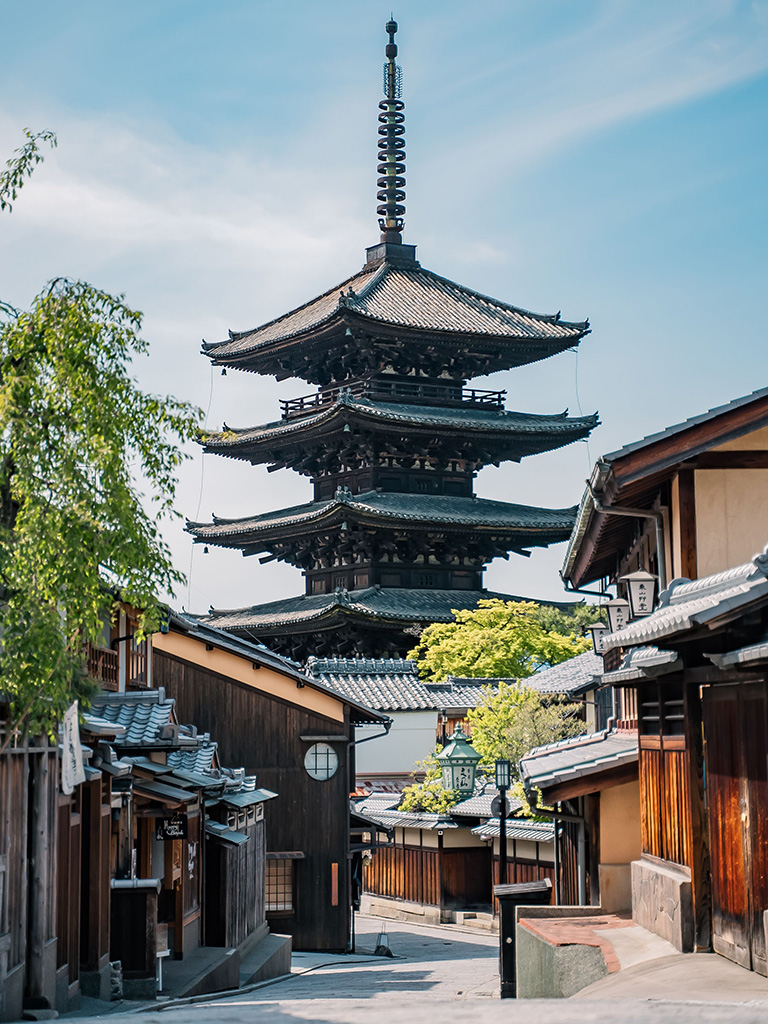
For more than 1,000 years (794–1868), Kyoto was Japan's imperial capital. As the cultural heart of Japan for over a millennium, the city is home to 17 UNESCO World Heritage Sites, including Kinkaku-ji (the Golden Pavilion), Kiyomizu-dera Temple, and Nijo Castle. This bus tour offers a convenient way to experience these iconic landmarks, along with Kyoto's historic streets and enduring cultural traditions.
Kobe
Taste of Kobe: Sake, Beef & Sweet Delights
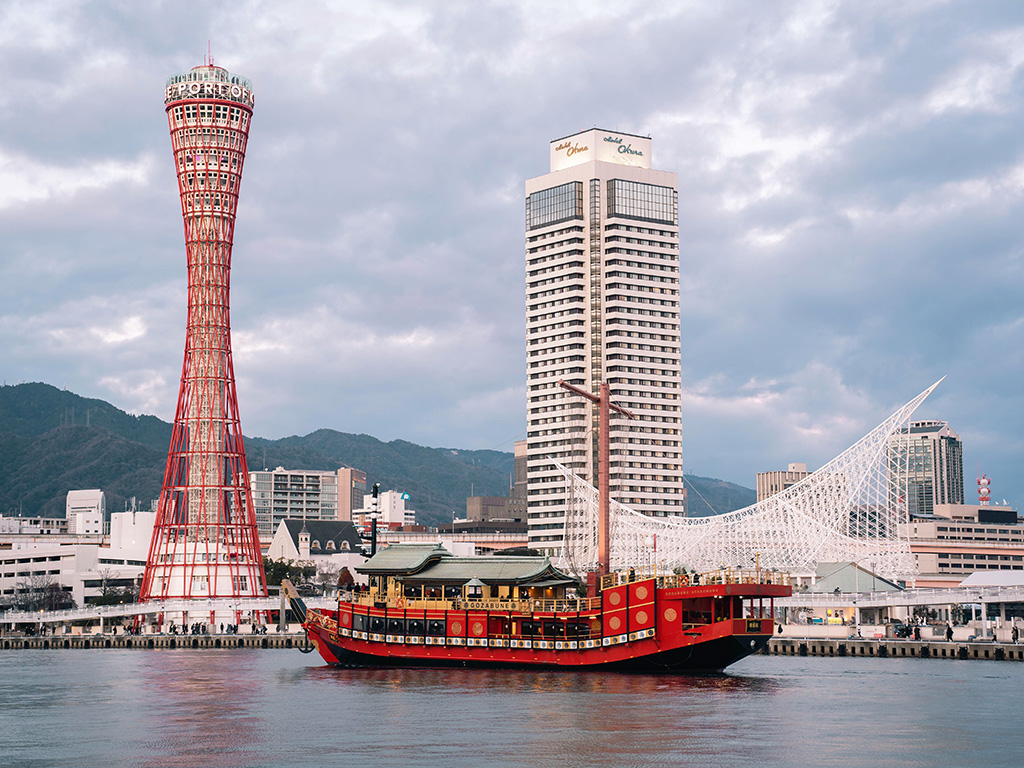
Since the opening of Kobe Port in 1868, Kobe has been one of Japan's leading international gateway cities, where Japanese and Western cultures have blended for more than 150 years. The city's abundant spring water from the Rokko Mountains helped make nearby Nada Japan's most renowned sake-producing region, while its cosmopolitan atmosphere fostered a rich culinary culture, from world-famous Kobe beef to artisan bakeries and elegant pastries. This excursion offers the opportunity to experience Kobe's celebrated food culture through sake tasting, Kobe beef, and local sweets.
Nara
Nara: Japan's First Ancient Capital
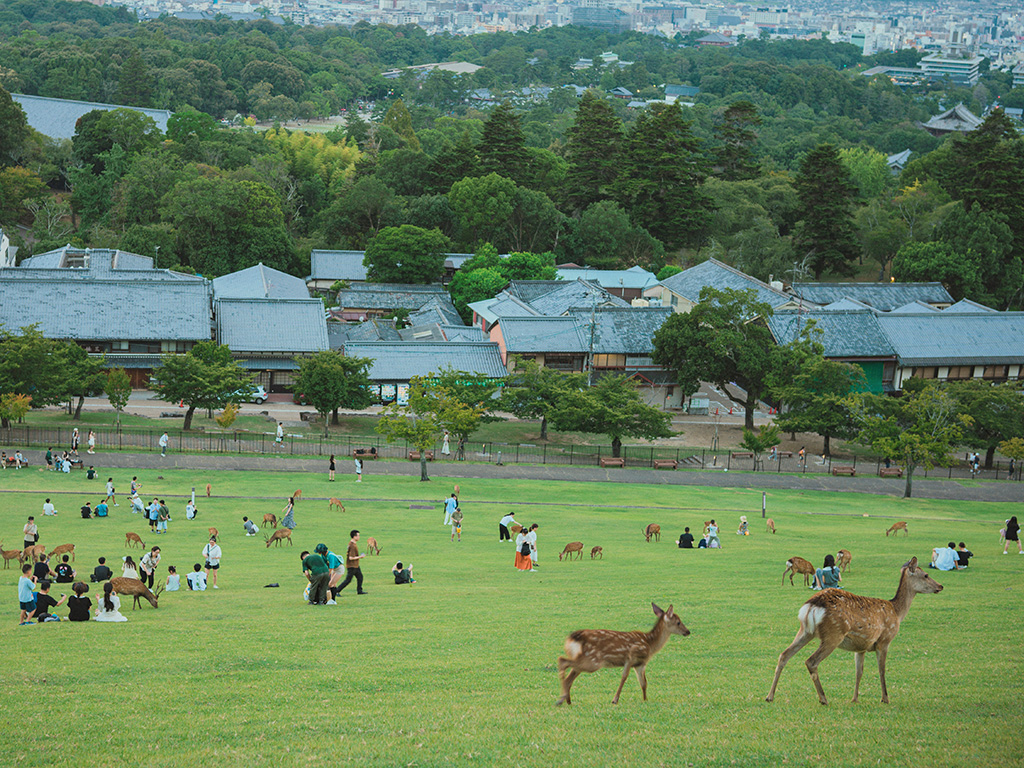
Nara was Japan's first permanent capital (710–784), laying the foundations of the nation's history, culture, and Buddhism. Today, the city preserves some of Japan's oldest and most treasured temples, including Todai-ji, home to the Great Buddha. Beyond its temples, Nara is renowned for its elegant Japanese gardens, including Isuien Garden, one of Japan's finest traditional gardens. Visitors can also stroll through Nara Park, home to hundreds of free-roaming deer, before unwinding in a traditional townhouse with a cup of locally produced Yamato tea.
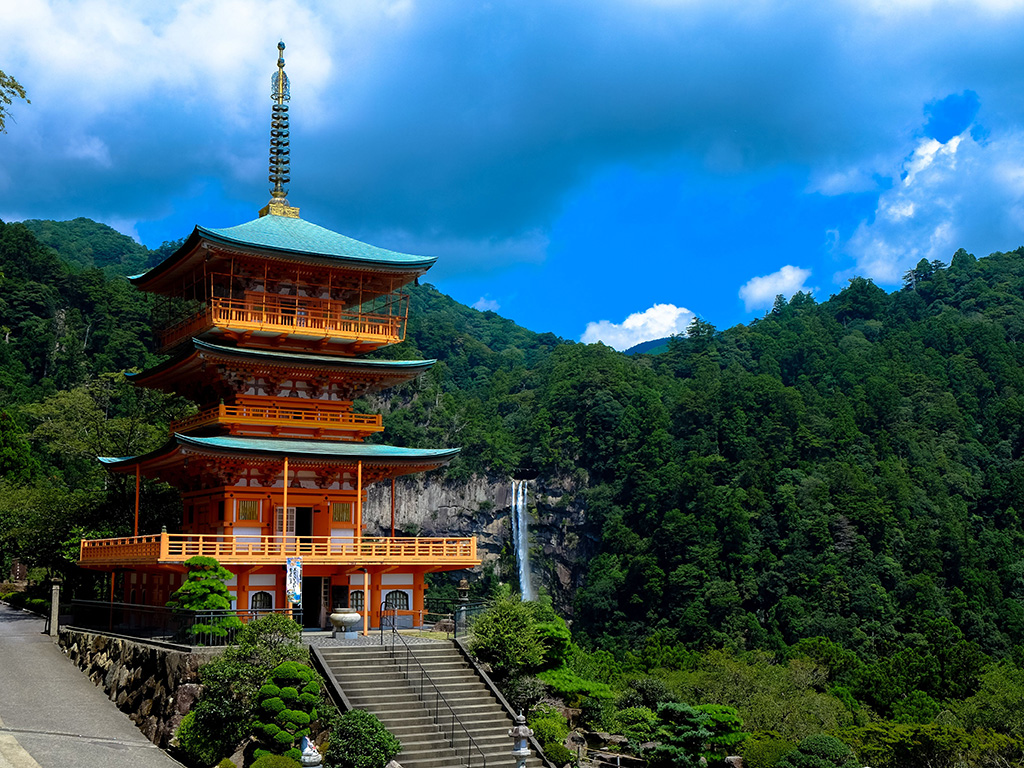
Wakayama
Wakayama: Sacred Mountains & Waterfalls
Wakayama is home to some of Japan's most sacred landscapes and spiritual traditions. The prefecture is home to two UNESCO World Heritage Sites: Koyasan, the 1,200-year-old center of Shingon Buddhism founded by Kobo Daishi (Kukai), and the Kumano Kodo pilgrimage routes, walked by emperors and pilgrims for over a thousand years. The tour also features the breathtaking Nachi Falls, Japan's tallest waterfall, offering a unique opportunity to experience the natural beauty and spiritual heritage that have inspired visitors for centuries.
Frequently Asked Questions
Good to Know
Do I need a visa to attend the conference in Japan?
Visa requirements depend on your nationality. Many countries have visa exemption agreements with Japan for short stays — check with the Japanese embassy or consulate in your country. We can provide visa support letters upon request.
Is English widely spoken in Japan?
Conference sessions are conducted in English, and English signage is common at major transportation hubs, hotels, and tourist areas. Translation apps and pocket Wi-Fi are helpful for everyday interactions.
Where do you recommend staying?
Rather than recommending specific hotels, we suggest five areas — Shin-Osaka, Umeda, Honmachi, Namba, and Kyoto — chosen for their convenience to OIC, sightseeing, neighborhood atmosphere, and connectivity across the Kansai region. Osaka and Kyoto offer abundant accommodation across all budgets, so once you pick an area you will have no trouble finding a suitable place. See the Recommended Areas to Stay section above for details.
What currency is used, and are credit cards accepted?
Japan's currency is the Japanese Yen (JPY). Major credit cards are widely accepted in hotels, larger restaurants, and stores, though some smaller establishments remain cash-only — it is worth carrying a modest amount of cash.
What is the weather like in Osaka in mid-to-late June?
Mid-to-late June falls within Japan's rainy season (tsuyu), with warm, humid conditions and daytime temperatures between 22–28°C (72–82°F). Light layers and a compact umbrella are recommended.
Any etiquette tips for first-time visitors?
Business cards (meishi) are important — bring plenty for academic and social exchanges. Punctuality is highly valued. Wi-Fi is widely available, but a portable Wi-Fi router or local SIM card makes everyday navigation much easier.
Join us in Osaka
Mark your calendar for June 18–21, 2027 and join the global marketing community at Ritsumeikan University.